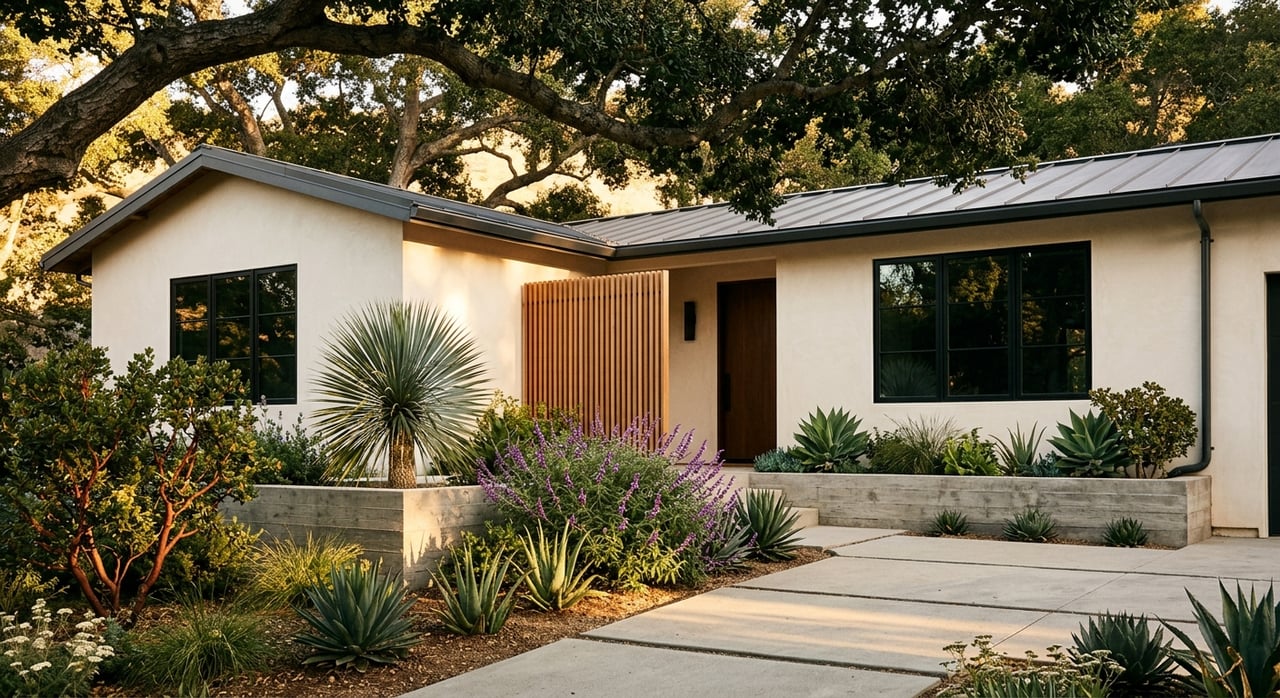
Sherman Oaks vs Studio City for Entertainment Careers
If your workday can start at Universal, shift to Radford, and end with a dinner meeting on Ventura Boulevard, where you live can shape more than your commute. For entertainment professionals choosing between Sherman Oaks and Studio City, the real question is not which neighborhood is better in the abstract. It is which one fits your schedule, housing goals, and day-to-day lifestyle more naturally. This guide breaks down the key differences so you can make a more confident move. Let’s dive in.
Sherman Oaks and Studio City are closely linked in the same Sherman Oaks-Studio City-Toluca Lake-Cahuenga Pass Community Plan Area. The City’s plan treats them as adjacent neighborhoods with a shared Valley-side framework, including a focus on preserving single-family areas, supporting mixed-use growth along Ventura Boulevard, and improving access to employment.
That matters if you are comparing the two side by side. In practical terms, you are not choosing between opposite lifestyles. You are choosing between two nearby neighborhoods that share many of the same regional benefits, but offer different tradeoffs in commute, pricing, and neighborhood feel.
For many entertainment professionals, this is the deciding factor. If your schedule is built around early call times, production meetings, or frequent trips to major studio campuses, location can quickly outweigh other preferences.
Studio City has the clearest location edge if your work centers on Universal Studios Hollywood or Radford Studio Center. Universal Studios Hollywood lists its address at 100 Universal City Plaza, and Radford Studio Center is located at 4024 Radford Avenue in Studio City. The Universal / Studio City Metro station also serves the area.
Based on route estimates in the research, Studio City is about 5 minutes by taxi to Universal Studios Hollywood and about 5 minutes by taxi to Warner Bros. That does not mean every trip will take exactly that long, but it does reinforce Studio City’s strong convenience for entertainment professionals who need fast access to nearby production hubs.
Sherman Oaks remains very well positioned for studio access. Route estimates show about 7 minutes by car from Sherman Oaks to Universal City/Studio City Station and about 7 to 9 minutes by car to Universal Studios Hollywood, depending on the starting point.
For Warner Bros., Sherman Oaks is also a short drive, estimated at about 7 to 8 minutes by car. If your work is more Burbank-focused than Universal-focused, the commute gap narrows enough that housing type and budget may matter more than the neighborhood name.
If your production life is concentrated around Universal or Radford, Studio City usually offers the cleaner fit. If you need strong entertainment-industry access but want more flexibility on price and inventory, Sherman Oaks is often the more practical benchmark.
A simple way to think about it is this:
The biggest measurable difference between Sherman Oaks and Studio City is price. For buyers in entertainment, executive, and luxury brackets, this is often where the decision gets more concrete.
Redfin reported a March 2026 median sale price of $1.35 million in Sherman Oaks. Zillow’s March 31, 2026 home value index placed average home values at $1.36 million.
The research also notes that recent Sherman Oaks sales ranged from roughly $700,000 condos to nearly $3.0 million single-family homes. That wider ladder gives you more room to adjust for budget, property type, and long-term plans without leaving the neighborhood altogether.
Redfin reported a March 2026 median sale price of $1.97 million in Studio City, while Zillow’s March 31, 2026 home value index put average home values at $1.60 million. Recent Studio City sales in the research clustered higher, with examples from about $1.35 million to $2.35 million and above.
For many buyers, that pricing reflects what Studio City offers in return: closer access to key studios, strong Ventura Boulevard proximity, and the pull of the Studio City address itself. In short, the market tends to read as more premium, and buyers usually pay for that.
If you want more flexibility in your search, Sherman Oaks generally provides it. You are more likely to find a mix of condos, townhomes, updated ranch properties, and larger hillside homes within one neighborhood.
If your top priority is location efficiency near Universal or Radford, and you are comfortable entering at a higher price point, Studio City may justify the premium. The right choice depends on whether your first priority is daily convenience or broader housing value.
Commute and price matter, but so does how a neighborhood feels once you are off the clock. Since both communities share Ventura Boulevard as a lifestyle spine, the difference is less about one being active and the other being quiet, and more about scale and density.
The research describes Studio City as more compact and entertainment-adjacent. Ventura Boulevard functions as the main thoroughfare, with boutiques, restaurants, and cafes, while community gathering points include the weekly farmers market, Campo de Cahuenga, and the Studio City Recreation Center.
The Studio City Neighborhood Council also brands the area as the Valley gateway and maintains an active events calendar. For buyers who like a more connected, central feel, Studio City often delivers that experience.
Sherman Oaks tends to feel more expansive and residential. The research highlights the Ventura Boulevard corridor here as well, along with the annual Sherman Oaks Street Fair, which draws more than 100,000 visitors.
The Sherman Oaks Neighborhood Council map shows a wider footprint, and the City plan emphasizes preserving single-family neighborhoods and historic residences. In day-to-day terms, Sherman Oaks often gives you more room to balance commute, lot size, pricing, and neighborhood density.
If you are thinking beyond your next production cycle and planning for a longer stay, school access may be part of your decision. Both neighborhoods have established local school anchors, but the research does not point to a single overall winner.
In Studio City, Carpenter Community Charter identifies itself as the neighborhood school for grades K-5 and reports about 900 students. In Sherman Oaks, Kester Avenue Elementary/Magnet describes itself as a TK-5 school in the heart of Sherman Oaks, and Dixie Canyon Community Charter says it serves TK-5 families in Sherman Oaks with a STEAM- and arts-enriched program.
The practical takeaway is simple: both neighborhoods can work for buyers who want school-centered planning. Instead of assuming one area is categorically better, it makes sense to align your home search with the specific locations and property types that support your household’s routine.
When Sherman Oaks and Studio City both seem appealing, your best decision framework is to rank your priorities instead of comparing them in general terms.
For entertainment professionals, Studio City usually wins on immediate convenience to Universal and Radford. Sherman Oaks usually wins on flexibility, offering a broader mix of homes and a lower entry point while still keeping you close to major production hubs.
That is why the best choice often comes down to how your work actually flows. If every saved minute matters, Studio City may be worth the premium. If you want more room to calibrate price, property type, and lifestyle without giving up Valley access, Sherman Oaks is a very strong alternative.
If you are weighing both neighborhoods at the upper-middle or luxury end of the market, a private, strategy-first search can make the decision much clearer. To explore homes in Sherman Oaks or Studio City with discreet, high-touch guidance, connect with Larry Calemine.


With more than 20 years of experience in the greater Los Angeles Real Estate market, Larry Calemine has the experience and vision necessary to ensure the successful completion of your next Real Estate transaction. Larry’s vast knowledge of the current market and strong negotiation skills will assure anyone the best possible experience.