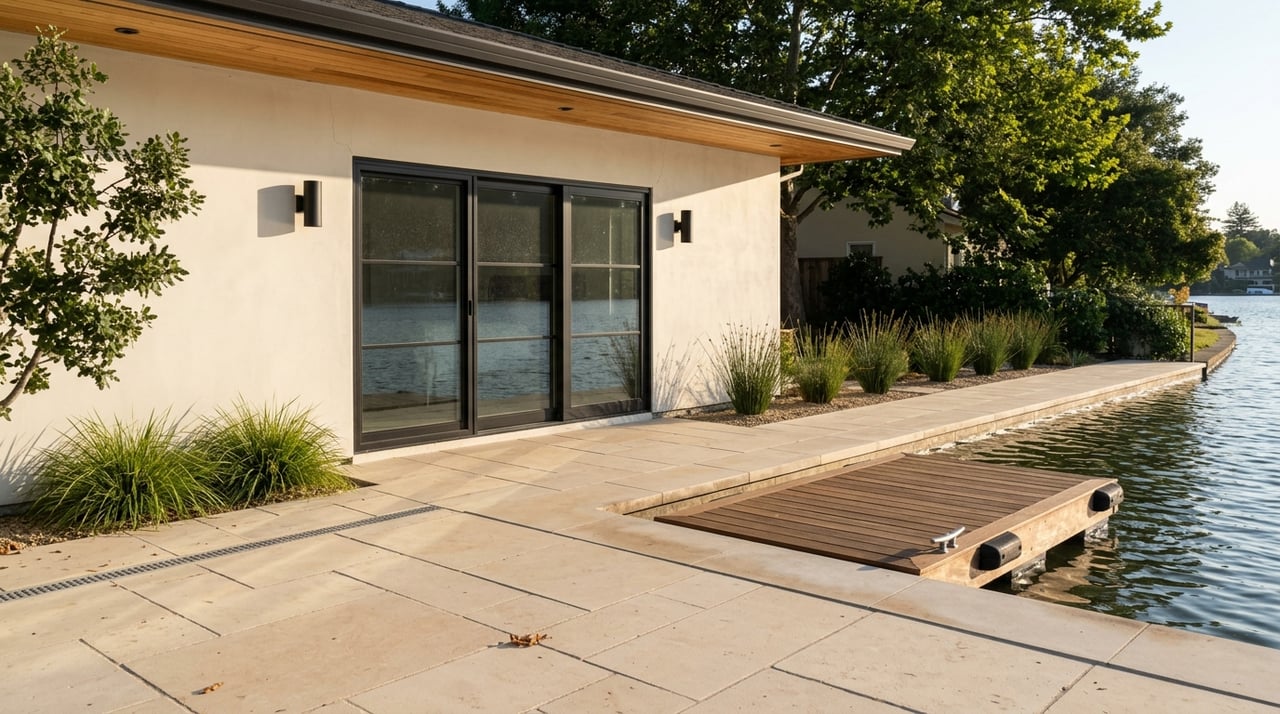
Essential Guide to Westlake Village Lakefront Homes
What does lakefront living in Westlake Village really look like once you move beyond the view? If you are considering a home on or near Westlake Lake, it helps to know that the lifestyle is beautiful, private, and highly structured. Understanding how the lake, HOAs, docks, and daily-use rules work can help you buy with more confidence and avoid surprises during escrow. Let’s dive in.
Westlake Village is a master-planned city in Los Angeles County with 20 neighborhoods and a wide range of housing types, including condominiums, townhomes, single-family homes, mobile homes, view properties, and lakefront residences. That variety gives buyers several ways to enjoy the area, whether you want direct waterfront access or simply want to live close to the lake setting.
Westlake Lake sits at the center of that identity. It is a private, 125-acre man-made lake with a little over 8 miles of shoreline, and the modern community was planned around it beginning in the mid-1960s. That history still shapes the feel of the area today.
For many buyers, the appeal is easy to understand. You get a quiet waterfront environment, a strong sense of design continuity, and a community structure that supports long-term upkeep. At the same time, lake living here comes with rules and layered oversight that you should understand before you write an offer.
One of the most important things to know is that lake use is not automatic just because a property touches the water. The Westlake Lake Management Association, or WLMA, states that lake use is permission-based and regulated by the association rather than treated as an unrestricted property right.
That matters because buyers often assume a waterfront parcel automatically includes full use privileges. In Westlake Village, access, dock use, and boating rights are tied to WLMA rules, approvals, fees, and good standing. The details can affect how you use the property from day one.
WLMA governs the lake property, shoreline perimeter area, islands, marina, and landing docks. It also works alongside seven residential districts and the related HOAs, which means a buyer may be dealing with more than one level of community oversight.
In many Westlake Village lake-area purchases, you are not just buying a home. You are also stepping into a framework of community associations, rules, fees, and review processes. Some neighborhoods have their own HOA obligations, and the lake itself is governed separately through WLMA.
The city also notes that certain areas, including First Neighborhood, Lakeshore, and Three Springs, have neighborhood-specific assessment zones. Depending on the property, your total ownership picture may include regular HOA obligations, lake-related requirements, and area-specific assessments.
This is one reason due diligence matters so much in Westlake Village. Two homes with similar views may come with very different access rights, fee structures, and approval requirements. A careful review early in the process can save you time and frustration later.
If a private dock is part of your vision, make sure you verify exactly what transfers with the property. WLMA states that a private dock application is tied to one lakefront lot or parcel and generally transfers with the property if the owner remains in good standing.
That is encouraging for buyers, but it is not the same as saying every waterfront home has the same dock setup or unrestricted transfer rights. WLMA also says other transfers are prohibited without written consent, and dock construction is regulated by the association.
In practical terms, you should confirm:
These details are especially important because WLMA says owners who are delinquent on lake fees for 30 days or more, or who fail to provide continuous insurance, may lose lake permits.
Not every buyer who wants lake access needs a private dock. WLMA allows district community docks for members of district HOAs whose lots do not have direct lakefront access. It also operates a public marina with slips and kayak racks on a first-come, first-served basis, subject to availability, fees, insurance requirements, and revocable licenses.
If spaces are full, WLMA maintains a waitlist. That means access can still be available for non-lakefront owners, but it may not be immediate or permanent in the way some buyers expect.
This distinction is worth discussing early in your search. If your lifestyle depends on keeping a specific type of boat ready at all times, a home with direct, transferable dock privileges may fit better than a home that relies on community or marina access.
Westlake Lake offers a very specific kind of waterfront experience. It is not built around high-speed recreation or open public use. Instead, the rules support a quieter, more controlled environment.
WLMA limits boats to 18 feet in overall length and 8 feet, 6 inches in beam. Multi-hulled sailboats, inflatables, wind-surfers, surfboards, jet-skis, motor surfers, paddleboards, pedal boards, and water or wake-board skiing are prohibited, and all powerboats must be electrically propelled unless specially approved for patrol or vendor use.
Boating hours are also regulated. In general, boating is allowed from one hour before sunrise until 11 p.m., with a 5 mph maximum speed and a 3 mph limit in finger basins. Certain low-profile craft are restricted in darker hours, and lights are required in low-light conditions.
The overall result is a quieter daily rhythm. Even WLMA notes that normal voices can carry across the water, which gives you a sense of the atmosphere buyers should expect.
If you plan to operate a boat on the lake, safety compliance is part of the package. WLMA requires a Coast Guard-approved life jacket for each person on board. Children under 13 must wear one while on board, and persons under 13 and non-swimmers must wear them on docks.
California State Parks says that as of January 1, 2025, the California Boater Card is required for all motorized vessel operators. Since Westlake Lake requires electric propulsion for powerboats in most cases, that rule may apply directly to your use.
These are not minor details. They affect how you prepare for ownership, how you equip your dock or boat, and how your household and guests use the lake.
For some buyers, fishing is part of the appeal of lake living. In Westlake Lake, that activity is also carefully structured.
Fishing on the lake is private and generally follows catch-and-release rules using barbless hooks and artificial bait only. WLMA states that fish may be removed only if they are invasive carp.
Residents and lessees or renters may obtain WLMA fishing badges. Guests need guest badges and must be accompanied by a Lake User, and anglers age 16 or older must also have a California fishing license. Fishing is limited to designated locations and time windows from one hour before sunrise to one hour after sunset.
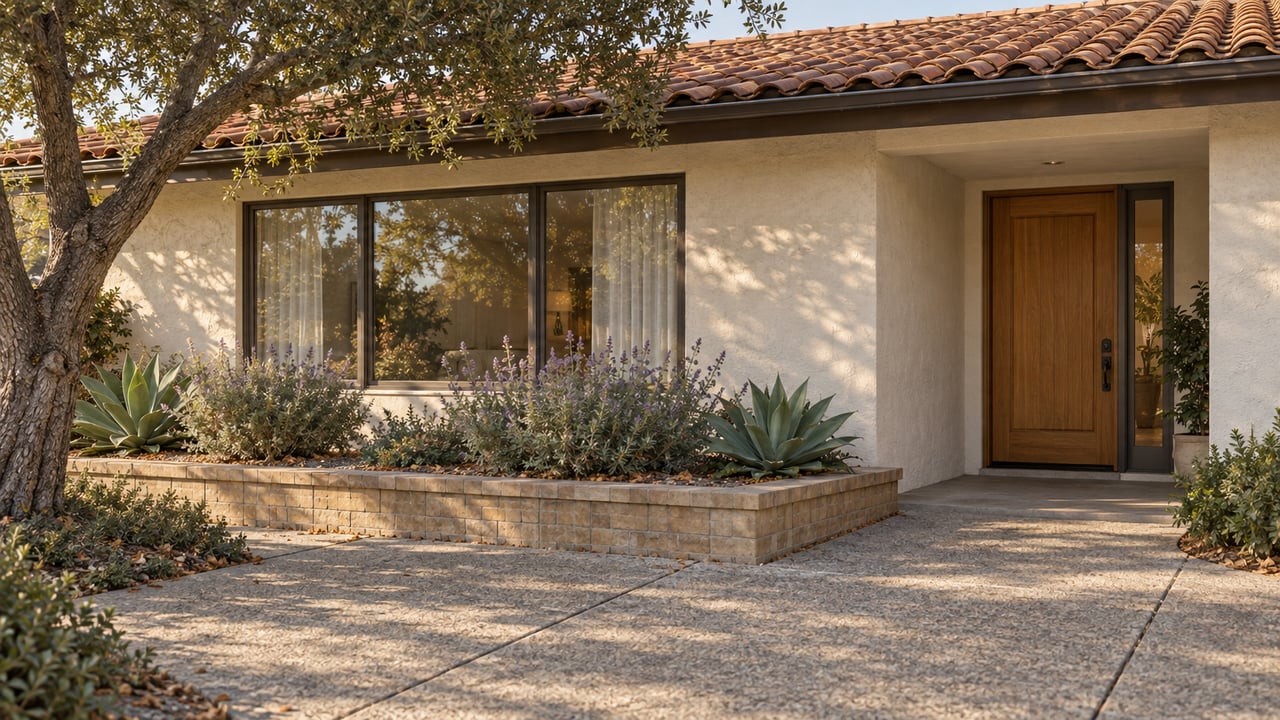
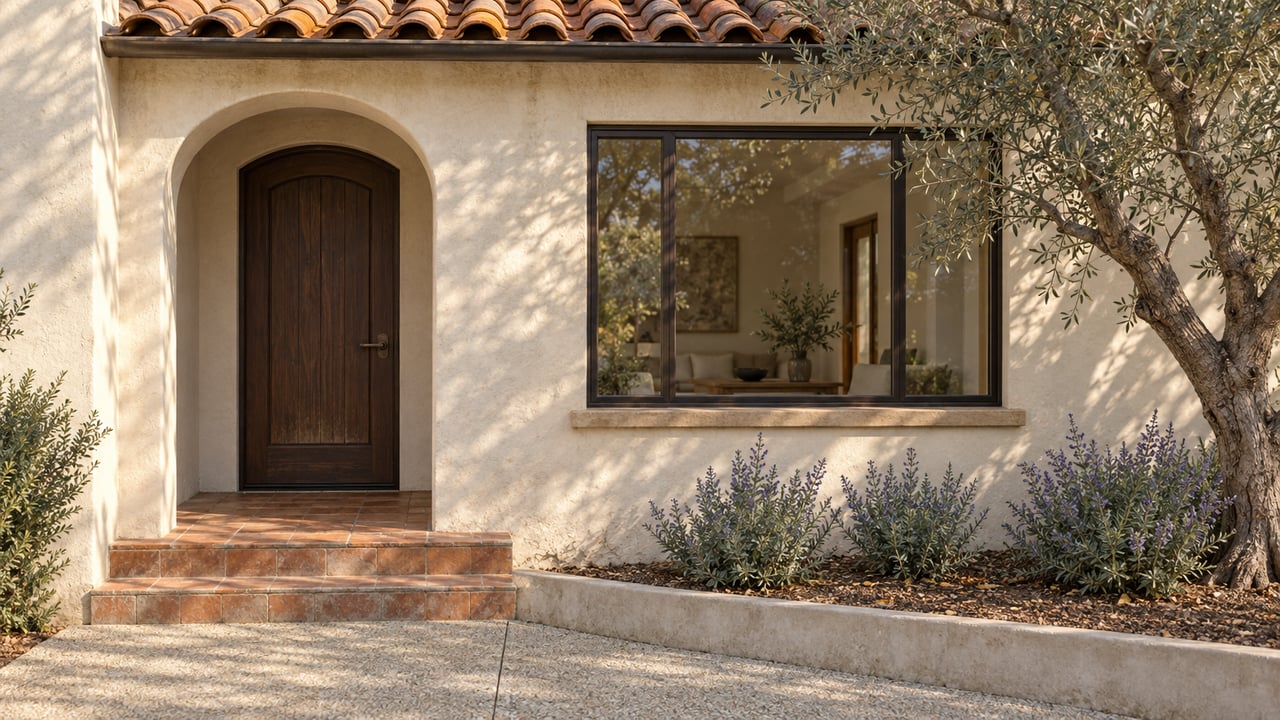
Part of the appeal of buying in Westlake Village is that the community still reflects its planned origins. City planning materials describe the local architectural character as Mediterranean or Spanish Revival, Craftsman, California Ranch, and contemporary, with an emphasis on courtyards, clay tile roofs, and other low-profile design elements.
That does not mean every home looks the same. It means buyers can expect a level of visual continuity that supports the area’s identity. This can be especially appealing if you value a cohesive streetscape and a well-established neighborhood feel.
In older sections of the city, the master-planned structure can feel even more pronounced. First Neighborhood, for example, describes itself as the first primary area developed as part of the larger Westlake Lake community.
Before buying, think beyond the home as it exists today. If you already know you want to change fencing, remodel exterior features, add hardscape, or alter the façade, you need to understand the approval path.
HOA review is a real part of ownership in some Westlake Village neighborhoods. First Neighborhood’s governing documents state that every homeowner is a member, the board can enforce the CC&Rs, and exterior changes go through architectural review. The city also notes that fences and walls generally require HOA approval, and some neighborhoods have special height allowances.
If you are buying with improvement plans in mind, ask for the governing documents early. A home can be an excellent fit and still require more design review than you expected.
A strong lakefront purchase often comes down to asking the right questions before contingencies are removed. In Westlake Village, that means focusing on use rights, transferability, compliance, and day-to-day fit.
Here are some of the most important questions to raise during your due diligence:
These questions help you match the property to your actual lifestyle, not just the listing photos.
Lakefront and lake-adjacent purchases in Westlake Village can look straightforward on the surface, but the real value is often in the fine print. Access rights, association status, architectural controls, and permit history can all shape the ownership experience.
That is why local guidance matters. When you work with an agent who understands the Westlake Village market and the nuances of higher-value property purchases, you are better positioned to sort through those details before they become expensive surprises.
If you are considering living on the lake in Westlake Village, a private, informed review of your options can make the process much smoother. For concierge-level guidance tailored to your goals, connect with Larry Calemine.




With more than 20 years of experience in the greater Los Angeles Real Estate market, Larry Calemine has the experience and vision necessary to ensure the successful completion of your next Real Estate transaction. Larry’s vast knowledge of the current market and strong negotiation skills will assure anyone the best possible experience.