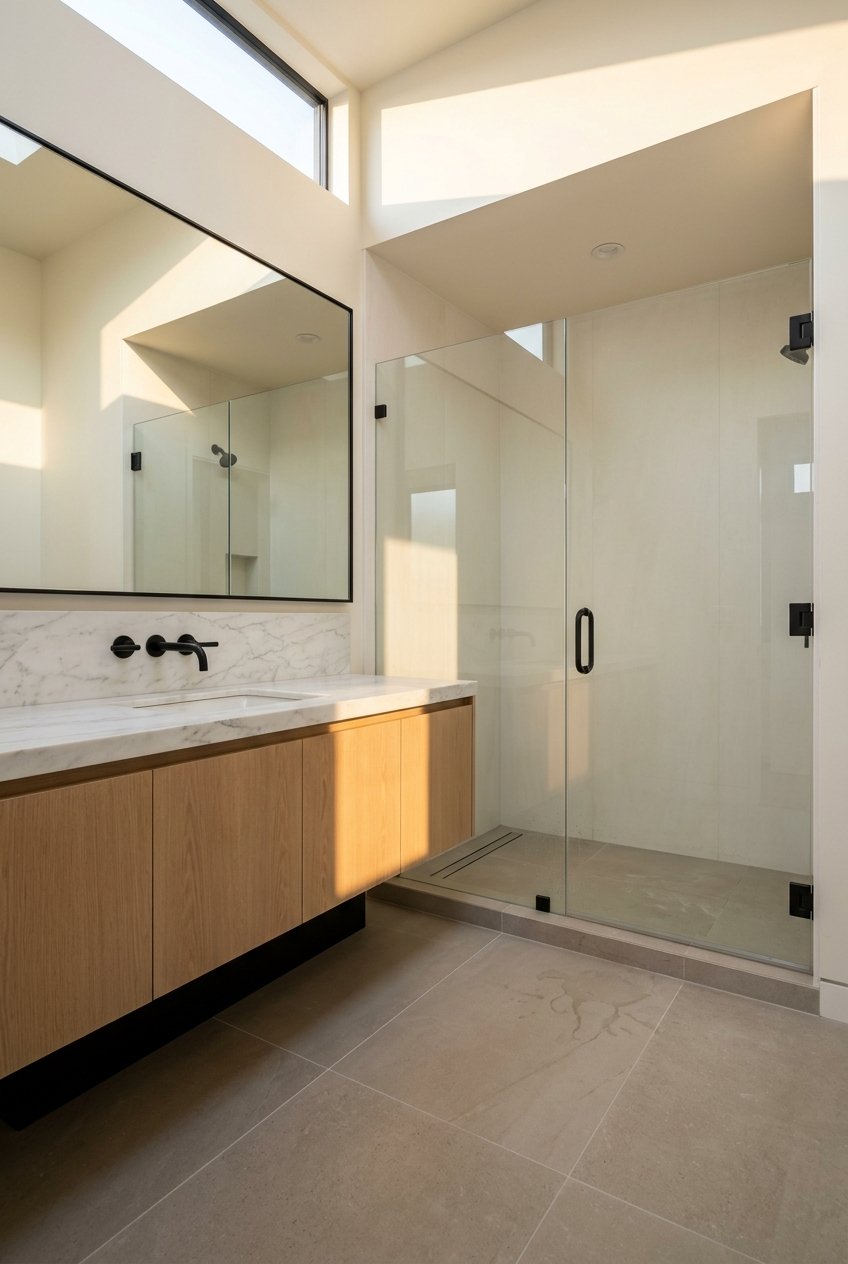
Pacific Palisades New Construction Due Diligence Steps
Buying brand-new luxury construction in Pacific Palisades can feel like the easiest path to a turnkey home. The finishes are fresh, the systems are new, and the presentation is often flawless. But in this market, polished design is only part of the story. You also need to know how the property was approved, built, inspected, and documented before you move forward with confidence. Let’s dive in.
Pacific Palisades is not a simple, one-size-fits-all permit environment. Depending on the parcel, a home may involve coastal-zone review, hillside or grading considerations, flood-related review, sea-level-rise review, and other public-agency approvals through the City of Los Angeles.
That means your due diligence should go beyond the listing package. On a luxury new-construction purchase, the real value is often in the paper trail behind the home. If the documents are complete and consistent, you gain clarity. If they are not, you know where to ask harder questions.
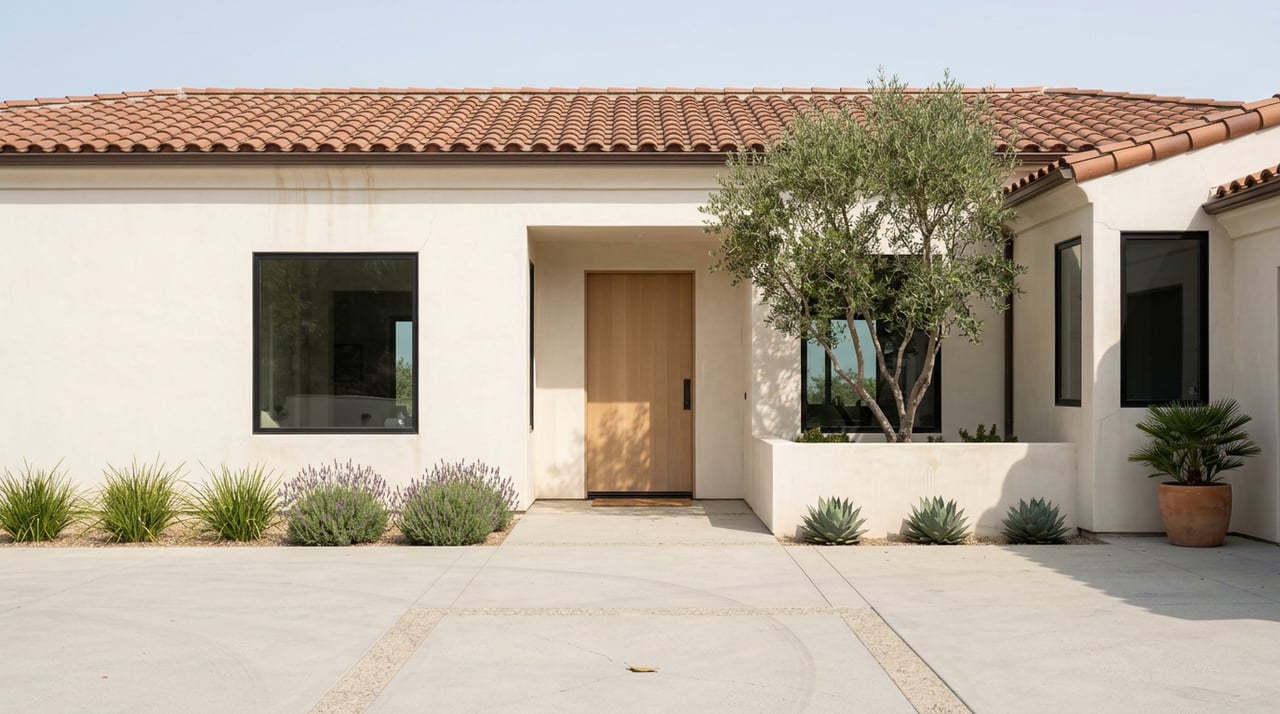
A striking exterior and beautiful interior details can make a strong first impression. Still, in Pacific Palisades, the lot itself may shape the approval path as much as the home design.
Los Angeles City Planning instructs applicants to confirm whether a parcel is in the single- or dual-jurisdiction coastal zone through ZIMAS. The same coastal-development checklist also calls for review of issues such as hillside or special grading, caissons or piles, flood-zone review, sea-level-rise review, and Mello Act screening when a project involves conversion, demolition, or construction of whole residential units.
Do not assume a neighborhood label tells you everything. A Pacific Palisades parcel may be in an area covered by Categorical Exclusion Order E-79-8, but that exclusion applies only if the exact lot and project conditions fit the order.
In practical terms, you want the parcel-specific answer, not a broad assumption based on the community name. LADBS parcel-profile records may also show the planning area or community name and Coastal Zone Conservation Act status, including a single-permit-jurisdiction designation.
For luxury buyers, the best time to uncover site constraints is before an offer is finalized, not after. Pulling the LADBS parcel profile and reviewing the ZIMAS Additional tab can help confirm coastal-zone status, hillside or grading flags, flood-related notes, and other overlay issues that may affect your comfort level with the purchase.
If the property is hillside or bluff-adjacent, this step becomes even more important. Site conditions can influence everything from engineering design to long-term maintenance and future resale questions.
One of the most important due-diligence steps for new luxury construction is reviewing the permit record in detail. LADBS states that property records can be used to research permits, site plans, inspections, and code-enforcement documents, and it specifically notes that purchasers can use those records to see what permits were issued.
Just as important, LADBS explains that permit issuance is the go-ahead to begin construction, but the work is not approved until it has been inspected and accepted. That distinction matters. A permit being pulled is not the same thing as the work being fully signed off.
On a luxury home, hidden systems matter as much as visible finishes. LADBS breaks projects into inspection stages such as excavation, foundation, framing, masonry, electrical, plumbing, roofing, exterior finishing, heating and cooling, and waterproofing.
Because of that inspection sequence, the permit file can help you understand whether major construction elements were actually reviewed before they were covered. The permit-and-inspection report can also show status, clearances, and pending inspections.
A smart buyer will ask for the closeout package for any work tied to:
If a home is newly built or nearly new, this documentation helps reduce uncertainty. It also gives you a cleaner record to keep for future resale.
In luxury construction, branding can sometimes overshadow the actual team that built the house. Your due diligence should focus on the contractor of record and the specialty professionals involved, not just the developer name or marketing presentation.
The Contractors State License Board allows consumers to verify a contractor by license number, business name, personnel name, or by city and ZIP code. CSLB records can also include complaint disclosure, and CSLB advises consumers to hire licensed contractors.
Ask who pulled the permits and who was responsible for the work. Then verify the builder’s license status, classification, and complaint history.
This is especially important when multiple entities are involved in a project. The name on the sales materials may not be the same as the licensed contractor responsible for construction.
On more complex builds, including hillside properties, certain inspection paths may involve deputy inspectors or continuous onsite inspection. LADBS notes that if a deputy inspector is used, that inspector must have the correct certifications or later approval may not be recognized.
That is not a small technical detail. On a sophisticated luxury build, proper sign-off by the right certified professionals can be part of what supports the project’s final approval record.
Not every Pacific Palisades property presents the same engineering questions. If the home is on a hillside or near a bluff, your diligence should go beyond standard buyer curiosity and into site-specific documentation.
LADBS hillside-work rules state that surface and subsurface exploratory work on hillside grading should be performed by a licensed soils engineer and a licensed engineering geologist. City Planning’s coastal permit checklist also asks about grading, caissons or piles, bluff stability, erosion control, and sea-level-rise impacts.
For these homes, geotechnical reports and drainage design are core due-diligence items. They are not optional extras.
You should ask for documents related to:
These records can help you understand how the site was evaluated and how the structure was designed to respond to the lot conditions.
Some Pacific Palisades properties may fall within a Very High Fire Hazard Severity Zone. If that applies, LADBS fire-zone corrections call for Chapter 7A compliance, including Class A roofing and ember-resistant detailing such as protected vents and gutter protection.
For a new luxury home, the key question is whether the approved plans and the field work match. In other words, you want to confirm that the fire-hardening features shown in the approvals were actually installed as part of construction.
This is another area where appearance alone is not enough. A clean design and new materials do not automatically tell you whether the required protective features are in place.
Many buyers hear the word “warranty” and assume all coverage works the same way. In California, that can create confusion unless you separate builder obligations from third-party service contracts.
California Civil Code section 900 requires a minimum one-year express written limited warranty for fit-and-finish items such as cabinets, flooring, walls, countertops, paint, and trim. California Civil Code section 896 sets broader construction-performance standards used in new-home defect claims, including items tied to fire protection, plumbing and sewer operation, drainage, roofing, and air-conditioning.
A builder warranty is not the same as a third-party home-warranty policy. The California Department of Insurance treats home protection contracts as regulated products that typically cover wear-and-tear type repairs or appliances and systems, rather than the builder’s construction obligations.
That means you should ask for both documents separately, if both exist. Review the builder warranty packet on its own, then review any separate home-warranty policy on its own, and confirm whether either one transfers to a future owner.
Today’s due diligence can become tomorrow’s resale advantage. A well-documented luxury home is often easier to explain to future buyers, appraisers, and inspectors.
If you move forward with a purchase, keep an organized file with the approved plans, permits, final inspections, warranty documents, geotechnical approvals, and other major records. In a market where buyers expect a polished, well-supported transaction, strong documentation can help protect value later.
If you want a simple framework, focus on these items before you commit:
In Pacific Palisades, new luxury construction should be treated as a document-driven purchase. The goal is not to create doubt. It is to replace assumptions with facts, so you can move forward with clarity.
If you are evaluating a luxury home and want a discreet, detail-focused perspective on the purchase process, Larry Calemine offers private guidance backed by deep transaction experience and a concierge approach.

With more than 20 years of experience in the greater Los Angeles Real Estate market, Larry Calemine has the experience and vision necessary to ensure the successful completion of your next Real Estate transaction. Larry’s vast knowledge of the current market and strong negotiation skills will assure anyone the best possible experience.