Woodland Hills Hillside Living Guide for Views & Lifestyle
If you are drawn to sweeping valley vistas, quieter streets, and a little more separation from the rush below, the Woodland Hills hills likely catch your attention for a reason. At the same time, you may wonder how hillside living really compares with the flatter parts of Woodland Hills when it comes to weather, access, and day-to-day convenience. This guide will help you understand the tradeoffs, the lifestyle, and what makes this part of the West Valley distinct. Let’s dive in.
Woodland Hills is not just one uniform landscape. Los Angeles City Planning describes the community as extending north and south of U.S. Route 101, with Mulholland Drive roughly marking the southern boundary in the Santa Monica Mountains.
That matters if you are thinking about lifestyle fit. The hills south of Ventura Boulevard are a real part of Woodland Hills, while the broader community also includes flatter areas tied more closely to the 101 corridor and major retail streets.
In practical terms, this creates two different living experiences within the same community. The hills often offer more view potential and a stronger sense of retreat, while the flatter areas usually make everyday in-and-out simpler.
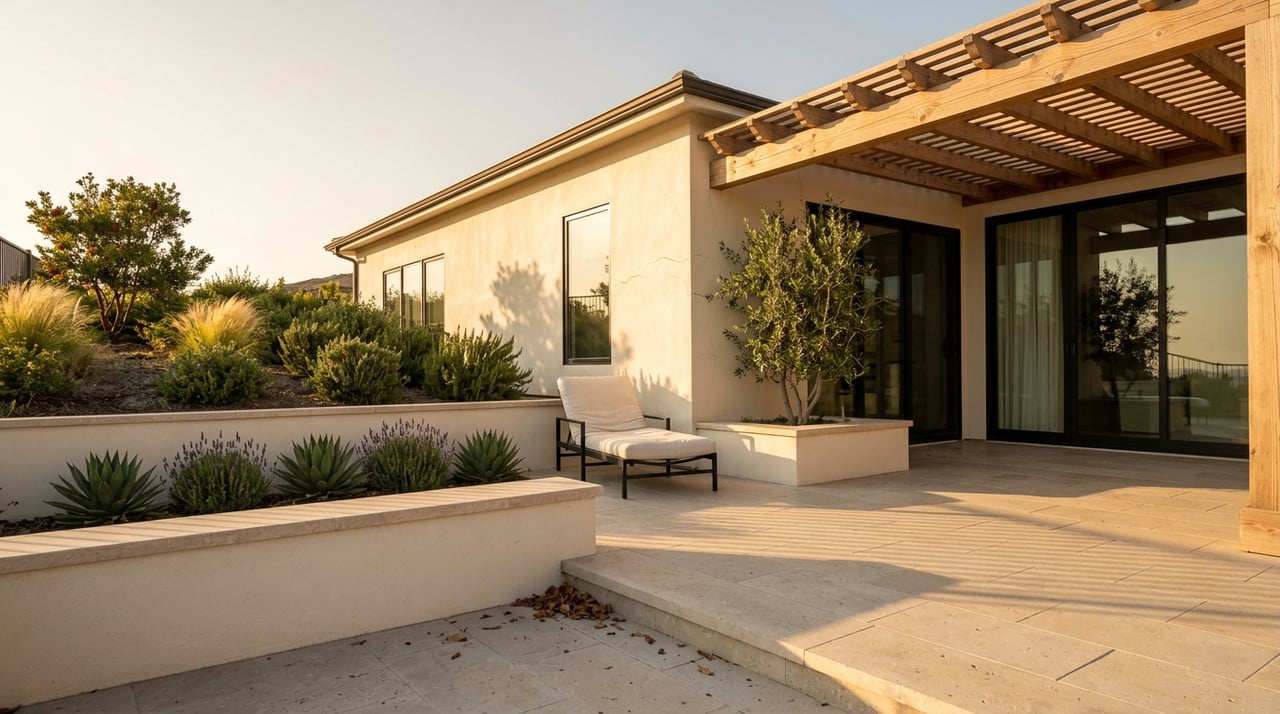
For many buyers, the biggest draw of the Woodland Hills hills is visual. Elevated streets can open up long views across the San Fernando Valley, nearby mountain ranges, and the changing light that defines late afternoons in this part of Los Angeles.
A strong public example is the Top of Topanga Overlook. The Mountains Recreation and Conservation Authority describes it as a place with 360-degree views of the Santa Monica Mountains, the Santa Susana Mountains, the San Gabriel Mountains, and the valley below.
That kind of setting helps explain the appeal of hillside homes in this part of Woodland Hills. Even when every property is different, the broader hillside environment tends to feel more scenic and more connected to the surrounding terrain.
Woodland Hills already runs warm by Southern California standards. NOAA climate normals for the Pierce College station show an annual mean temperature of 66.3°F, with average highs around 95.1°F in July and 97.4°F in August, plus average January temperatures ranging from 43.1°F to 69.8°F.
Within that overall climate, local conditions can still vary from street to street. NOAA notes that climate is shaped by geography, elevation, and topography, and the National Weather Service explains that in areas with hills and valleys, cooler air can drain into valleys overnight.
For you, that means hillside living can sometimes feel a bit different from the flats depending on elevation, slope direction, sun exposure, and nighttime airflow. It is not a fixed rule for every block, but it is a useful way to think about why one part of Woodland Hills may feel warmer, breezier, or cooler than another at certain times of day.
One advantage of living near the hills is how closely the built neighborhood connects to open space. If you enjoy hiking, biking, or simply stepping out for a scenic drive, Woodland Hills places you near several well-known outdoor destinations.
Topanga State Park is one of the strongest examples. California State Parks describes it as one of the world’s largest wildlands within a major city, with 36 miles of trails through open grassland and live oaks, along with hiking, mountain biking, horseback riding, and Pacific Ocean views.
Upper Las Virgenes Canyon Open Space Preserve is another major outdoor anchor nearby. The MRCA says this 5,600-acre preserve at the western edge of the San Fernando Valley includes miles of trails, rolling hills, oak and sycamore canyon bottoms, and broad vistas.
If your ideal lifestyle includes easy access to nature without leaving the city behind, this part of Woodland Hills offers a compelling balance. You can feel close to the landscape while still remaining tied to the everyday conveniences of the West Valley.
Hillside living often feels tucked away, but Woodland Hills is still very much connected to major shopping and dining hubs. The practical pattern here is straightforward: you may live in a more elevated, scenic setting, yet most daily errands and social destinations are concentrated along the main commercial corridors.
Two of the biggest anchors are Westfield Topanga and Topanga Village. Westfield Topanga includes fashion, dining, entertainment, EV charging, parking, and a mix of premium retail and restaurant options, while Topanga Village presents itself as a central gathering place for shopping, dining, entertainment, and leisure in the San Fernando Valley.
For everyday life, that means the hills are not isolated. You can enjoy a more residential setting at home and still reach recognizable destinations for groceries, dining, fitness, and errands within the broader Woodland Hills area.
One of the clearest lifestyle realities in the Woodland Hills hills is mobility. This is generally not a walk-everywhere environment, especially once you move into hillside streets and away from the flatter commercial corridors.
Topanga Canyon Boulevard is a key north-south route for the area. Caltrans identifies it as State Route 27, and its long corridor ties together the Valley-facing sections of Woodland Hills with Mulholland Drive and the route south toward the coast.
If you are considering a hillside home, it helps to think carefully about your regular driving patterns. Commutes, school runs, appointments, dining plans, and weekend outings can all feel a little different when your home sits above the main grid rather than right on it.
The Woodland Hills hills tend to appeal to buyers who want a more tucked-away atmosphere without giving up West Valley convenience. There is often a stronger sense of arrival, more visual connection to the terrain, and a residential rhythm that feels a bit removed from the busiest commercial pockets.
That does not automatically mean one setting is better than another. It simply means your priorities matter.
If you care most about views, topography, and a retreat-like feel, the hills may be the right fit. If you want the easiest possible access to shopping, dining, and freeway routes, the flatter sections of Woodland Hills may feel more practical.
When you tour homes in the Woodland Hills hills, it helps to look beyond square footage and finishes. The setting itself is part of the value, so your evaluation should include both the home and how the site supports your daily routine.
Here are a few smart things to notice as you compare options:
A hillside property can be incredibly rewarding when the location matches the way you live. The right fit usually comes down to balancing scenery, privacy, and convenience in a way that feels natural for you.
Woodland Hills remains compelling because it offers range. Within one community, you can find a more scenic hillside feel near the Santa Monica Mountain edge and a more convenience-driven pattern closer to the major boulevards and retail centers.
That mix gives buyers options without forcing them to leave the broader Woodland Hills lifestyle behind. For some, the answer is a view-focused home in the hills. For others, it is a flatter location that keeps everything simple.
If you are weighing both, local guidance can make the process much clearer. A well-planned search helps you compare not just homes, but the everyday experience each location creates.
If you are exploring Woodland Hills and want a polished, informed perspective on hillside living, Larry Calemine can help you evaluate the options with clarity, discretion, and a concierge-level approach.
With more than 20 years of experience in the greater Los Angeles Real Estate market, Larry Calemine has the experience and vision necessary to ensure the successful completion of your next Real Estate transaction. Larry’s vast knowledge of the current market and strong negotiation skills will assure anyone the best possible experience.