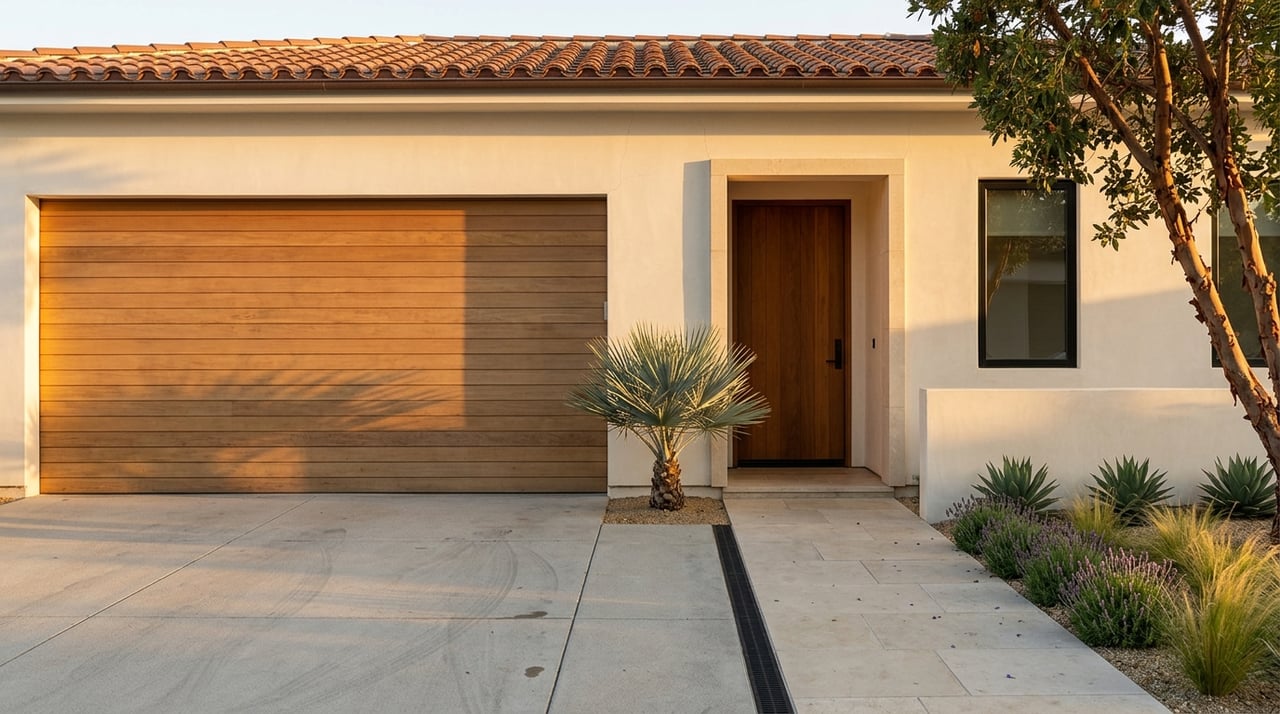
Malibu Second Home Considerations: Practical Factors to Review
A Malibu second home can feel like the ideal coastal escape, but the day-to-day reality depends on much more than the view. If you are weighing a purchase, you need to think through access, carrying costs, emergency readiness, and how you plan to use the property throughout the year. A clear look at those practical factors can help you buy with confidence and avoid expensive surprises later. Let’s dive in.
For many buyers, Malibu works best when it is easy to reach from the places you already spend time. In normal traffic, route-planner estimates put Malibu at about 20 minutes from Santa Monica, 29 minutes from Century City, 36 minutes from Downtown Los Angeles, and roughly 33 to 34 minutes from LAX.
Those numbers are a useful starting point, but they are only a baseline. Malibu’s own emergency planning makes clear that travel times can change quickly due to congestion, wind, road conditions, power disruptions, and closures.
If you are considering a second home here, the specific location of the property matters almost as much as the property itself. Malibu relies heavily on Pacific Coast Highway as the main coastal route, along with a limited group of canyon connectors such as Kanan, Malibu Canyon, and Topanga.
That means two homes with similar prices can offer very different ownership experiences. A property that fits your usual travel pattern can feel far more practical for weekend stays, midweek use, or quick last-minute trips.
It helps to picture how you would actually use the home. If you plan to come in from the Westside after work, catch flights through LAX, or return to the city early Monday morning, you want to test the route in realistic conditions, not just ideal ones.
Malibu encourages residents and owners to monitor Pacific Coast Highway traffic and stay aware of changing route conditions. For a second-home buyer, that is not just emergency advice. It is part of the normal ownership equation.
One reason Malibu appeals to second-home buyers is its mild coastal climate. NOAA climate normals from nearby Santa Monica Pier show average highs around 62°F to 63°F in winter and about 69°F to 70°F in late summer and early fall.
Rainfall is concentrated in winter and early spring, with annual precipitation around 12.17 inches. June through September are close to dry, while January and February each average more than 3 inches of rain.
In practical terms, Malibu can be used year-round. Many buyers find that spring and fall are especially comfortable for longer stays because of the mild temperatures and coastal pattern.
Late summer and early fall can still be beautiful, but they come with different planning needs. Dry conditions, wind, and wildfire readiness become more important during that stretch.
Malibu’s wildfire-preparedness guidance states that all of Malibu is in a Very High Fire Hazard Severity Zone. The city also notes that fire season is October through December and warns that fires can spread quickly, especially during high winds.
For a second-home owner, that means readiness cannot be treated as an afterthought. You should go into the purchase expecting to plan for alerts, evacuation routes, go-bags, vehicle readiness, and property checks during higher-risk periods.
Luxury second-home buyers often focus first on purchase price, design, and location. Just as important is understanding the ongoing cost of ownership so the home remains a pleasure, not a burden.
In Los Angeles County, the general property tax rate is 1% plus voter-approved indebtedness and assessments. Secured taxes are due in two installments, and supplemental tax bills may be issued after a change in ownership or new construction.
Supplemental tax bills can catch buyers off guard if they are only planning around the regular tax cycle. Los Angeles County notes that these bills are generally mailed directly to the owner and are not usually paid from impound accounts.
If you are budgeting for a second home, this is worth discussing early so your first year of ownership is fully mapped out. It is one of those details that can affect cash flow more than buyers expect.
Malibu also imposes a real property transfer tax of 27.5 cents for each $500 of consideration over $100. That may not be the largest line item in your closing costs, but it should still be built into your acquisition model.
A clean budget should account for local tax, lender charges if applicable, title-related costs, and the immediate setup costs that often come with a second home.
In Malibu, insurance can be one of the biggest moving parts in the ownership picture. The California Department of Insurance states that the California FAIR Plan is a limited fire-and-smoke safety net for homeowners who cannot obtain standard coverage.
That matters because the FAIR Plan typically does not function as a full replacement for a standard homeowners policy. Separate coverage may be needed for water damage, liability, and other risks.
If you are serious about a property, it makes sense to get insurance quotes as early as possible. In a market where wildfire exposure can affect availability and cost, this step should happen before you feel fully committed to the purchase.
The California Department of Insurance also notes that wildfire mitigation may qualify homeowners for wildfire-safety discounts. That can make property condition and mitigation features part of your financial review, not just your safety review.
A second home in Malibu usually needs more than periodic housekeeping. Depending on the property, you may need recurring landscaping, pool service, HVAC maintenance, alarm monitoring, gate or camera support, and seasonal opening and closing routines.
If the home sits vacant for stretches of time, those systems and service relationships become even more important. You want a property that is not only beautiful when you arrive, but also consistently watched and maintained when you are away.
Some Malibu properties use on-site wastewater treatment systems. Malibu’s permit information shows that septic and OWTS review can involve both city and county approvals, which adds another layer to maintenance and compliance planning.
This is a key part of diligence because it can affect timelines, costs, and how easily you can handle updates or future work. It is also one more reason to review the property’s records carefully before closing.
Not every Malibu-area property falls under the same office or rule set. Buyers should confirm whether a parcel is inside Malibu city limits or in unincorporated Los Angeles County, since permit paths and document sources can differ.
That distinction can affect everything from property records to future project planning. It is a practical detail, but an important one.
If this will not be your primary residence, local support is essential. Malibu’s emergency materials advise owners to keep vehicles fueled, know two evacuation routes, prepare go-bags and pet plans, and sign up for alerts.
That guidance points to a broader truth about owning here. A second home runs more smoothly when you have a dependable local system in place.
For absentee owners, a trusted local manager or owner’s agent can be more than helpful. They can support lock-up and opening routines, vendor access, storm checks, landscaping oversight, pool and HVAC coordination, and rapid response if a wind or fire event develops.
In a market like Malibu, a real local point person is often part of responsible ownership. It is not simply a convenience upgrade.
Some buyers look at a second home and assume occasional rental income will help offset carrying costs. In Malibu, you should verify that carefully before you underwrite it into the deal.
The city allows short-term rental of residential property for 30 days or less only through a permit system. Operating or advertising without a valid permit is a violation and can trigger a penalty of $1,000 per day or twice the daily rental rate, whichever is higher.
Malibu also requires a 12% transient occupancy tax on homes or other structures rented for 30 days or less. The city notes that Airbnb collects and remits this tax on behalf of hosts, while other platforms or direct rentals generally require the owner to collect and file.
The permit process has also become more detailed around wastewater compliance. As of January 1, 2023, an STR permit generally requires a valid OWTS operating permit or a compliance agreement, and Malibu says obtaining either can take six months or longer.
Malibu’s short-term rental framework is not something you should treat as automatic or permanent. The city has also described a hosted STR ordinance that, once effective, is intended to supersede the current permit program and would include onsite-host and primary-residency requirements, along with multifamily restrictions.
The practical takeaway is simple: rental potential is a policy variable, not a fixed feature. Before relying on it, verify city or county jurisdiction, review any HOA or CC&R restrictions, and confirm how insurance may affect your plans.
Before moving forward on a Malibu second home, focus on the items most likely to shape your real ownership experience.
When these items are reviewed early, you can make a more confident decision and compare properties on more than just appearance.
A Malibu second home can be an exceptional lifestyle purchase when the practical side matches the dream. If you want a discreet, finance-aware perspective on evaluating Malibu properties, Larry Calemine can help you assess the details that matter before you commit.

With more than 20 years of experience in the greater Los Angeles Real Estate market, Larry Calemine has the experience and vision necessary to ensure the successful completion of your next Real Estate transaction. Larry’s vast knowledge of the current market and strong negotiation skills will assure anyone the best possible experience.