Pacific Palisades Neighborhoods Comparison for Buyers
Choosing a home in Pacific Palisades is not just about square footage or style. It is often about finding the right micro-neighborhood that matches how you want to live day to day. If you are weighing convenience, privacy, or a more estate-like setting, understanding the Palisades in smaller pieces can save you time and help you focus your search with more confidence. Let’s dive in.
Pacific Palisades is best understood as a collection of distinct enclaves rather than one uniform neighborhood. Official community and planning records point to a few standout pockets that shape the local lifestyle conversation: the Village and Alphabet Streets, the Highlands, and the Riviera-adjacent streets.
That matters because each area offers a different rhythm. In practical terms, your best fit often comes down to whether you value walkability and daily convenience, a more elevated and self-contained setting, or larger-lot living with an estate feel.
Before you compare streets or homes, start with how you want your days to work. Think about whether you want easier access to errands and local services, a quieter residential environment, or a setting that feels more spacious and tucked away.
This approach can quickly narrow your options. In Pacific Palisades, the right enclave is usually less about one area being “better” and more about which one fits your routine, preferences, and long-term goals.
If you want a stronger connection to the community core, the Village and Alphabet Streets are often the clearest fit. The Village has long been planned as a low-intensity, community-oriented, pedestrian-oriented commercial area, which helps explain why it plays such a central role in everyday life.
This part of the Palisades is tied to day-to-day needs and local gathering points. Research points to retail, dining, cinema, grocery, and services in the Village area, along with civic anchors such as the Palisades Branch Library, the farmers market, and nearby schools listed by the City Council neighborhood page.
The Alphabet Streets are known for a classic compact grid. City records describe roughly 900 lots, with most on narrow 40-foot lots and with modest setbacks along 20-foot-wide streets.
For you as a buyer, that often translates into a more neighborhood-scaled setting. Compared with estate-style sections farther up-canyon or near the country club, this pocket may feel more walkable and more centered on everyday convenience.
You may want to focus here if your priorities include:
If you are looking for a more residential and self-contained environment, the Highlands often stands out. The Pacific Palisades Community Council defines this area around Palisades Drive, the Santa Ynez Reservoir, and Santa Ynez Canyon Park.
Geographically, it is the most inland and elevated of the named pockets in this guide. That geography is one reason buyers often look here when privacy, a quieter pace, and canyon-oriented living matter most.
The Highlands functions differently from the Village-centered parts of Pacific Palisades. The Santa Ynez Recreational Center serves owners and permanent residents of 276 homes across three HOAs, which gives this area more of a planned, amenity-supported identity.
Instead of a walk-to-town grid, you are more likely to experience it as an enclave with its own internal rhythm. For some buyers, that feels calmer and more removed. For others, it may feel less connected to the Village than they want.
The Highlands may be the strongest match if you value:
If your priorities lean toward larger-lot living and a more estate-like impression, the Riviera-adjacent streets deserve close attention. This area includes sections north and south of Sunset up to Allenford, as defined by the Pacific Palisades Community Council’s Area 8 framework.
This pocket is shaped in part by its relationship to the Riviera Country Club, a private club established in 1926 that currently markets golf and tennis from its Capri Drive address. That club presence helps reinforce the area’s distinct identity, even though membership and access are private matters.
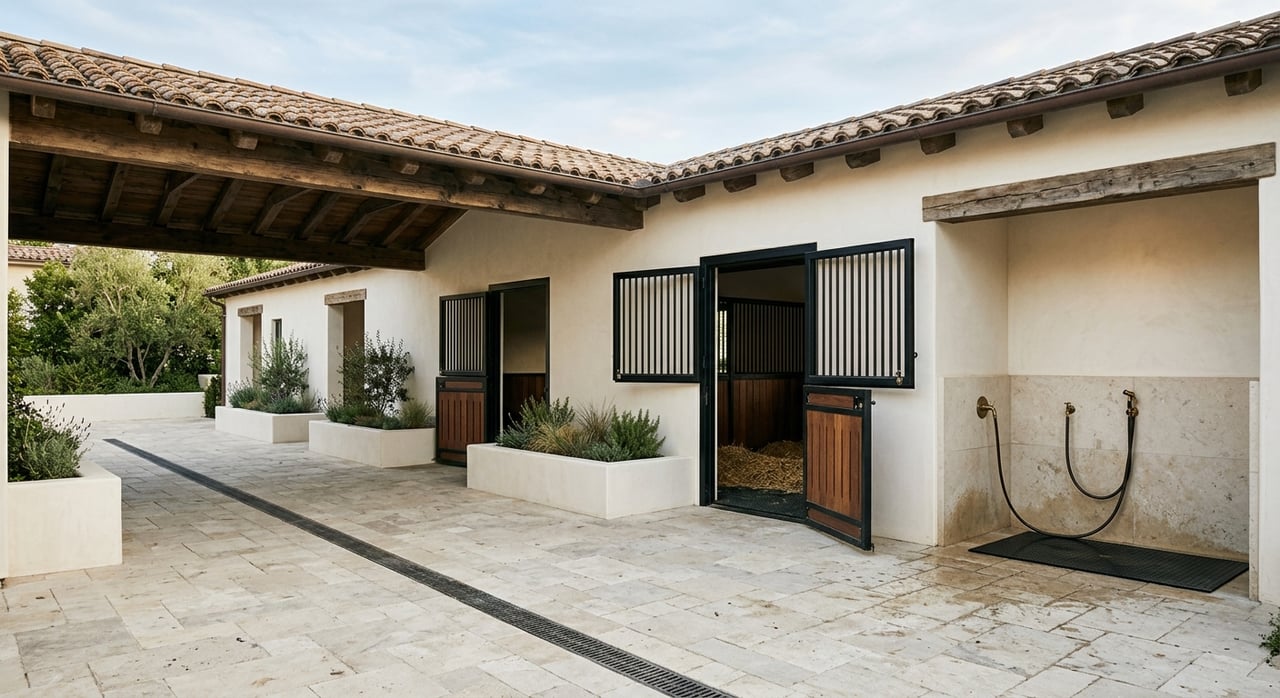
Historic survey work on the nearby Riviera Ranch district describes a setting with one- and two-story single-family homes, large lots, cul-de-sacs, horse facilities, and split-rail fencing. In simple terms, this points to a more spacious, club-adjacent environment than the Village pockets.
For you, that may mean a stronger sense of separation, quieter streets, and a more estate-oriented streetscape. Buyers who want a larger-scale residential impression often find this area especially appealing.
You may be drawn to this pocket if you want:
When you step back, the decision often comes down to three lifestyle themes: convenience, elevation, and estate scale. That framework can make your search much clearer.
| Enclave | Best Match | General Feel |
|---|---|---|
| Village and Alphabet Streets | Daily convenience | Walkable, neighborhood-scaled, connected to the community core |
| Highlands | Privacy and residential calm | Elevated, self-contained, canyon-oriented |
| Riviera-adjacent streets | Space and estate character | Larger-lot, quieter, club-adjacent |
None of these areas is a one-size-fits-all answer. The right choice depends on how you want your home to support your routines, privacy needs, and preferred setting.
Many buyers associate Pacific Palisades with the coast, but it is helpful to frame that correctly. The Palisades is not a beachfront housing market, even though coastal amenities are part of the broader lifestyle picture.
The relevant public coastal access points include Will Rogers State Beach and the Will Rogers and Temescal park system. Will Rogers State Beach offers more than 3 miles of frontage and about 103 acres, along with bike path access, volleyball courts, picnic tables, restrooms, and showers.
If beach access is central to your decision, it is worth thinking about it as an amenity you drive to and use regularly, rather than as a literal beachfront neighborhood experience. That distinction can help align expectations with the actual housing landscape.
If you are researching Pacific Palisades right now, timing matters. As of June 2026, the local amenity picture is still being shaped by Palisades Fire recovery.
California State Parks reports that Will Rogers State Historic Park reopened in November 2025 but remains in recovery planning. The Los Angeles city park page says Temescal Canyon Park is under restoration, the county beach page notes that Will Rogers State Beach Lot 5 is closed during wildfire recovery, and the official Palisades Village site says the center is temporarily closed with reopening planned for August 2026.
Because conditions can change, it is wise to verify amenity access and operations just before making decisions based on them. In a market like Pacific Palisades, small details about access and daily convenience can meaningfully affect your experience.
The best way to choose your Pacific Palisades enclave is to match the area to the life you actually want to lead. If you want errands, local services, and a strong neighborhood center, the Village and Alphabet Streets may be your best fit. If you want privacy, elevation, and a more residential pace, the Highlands may rise to the top. If you want space and a quieter estate impression, the Riviera-adjacent streets may be the strongest candidate.
A focused strategy matters in a nuanced market like this. When you understand the difference between these micro-neighborhoods, you can evaluate homes through the right lens and make a more confident decision from the start.
If you are considering a move and want a polished, private, and highly tailored approach to your search, Larry Calemine can help you evaluate each Pacific Palisades enclave with clarity and discretion.
With more than 20 years of experience in the greater Los Angeles Real Estate market, Larry Calemine has the experience and vision necessary to ensure the successful completion of your next Real Estate transaction. Larry’s vast knowledge of the current market and strong negotiation skills will assure anyone the best possible experience.