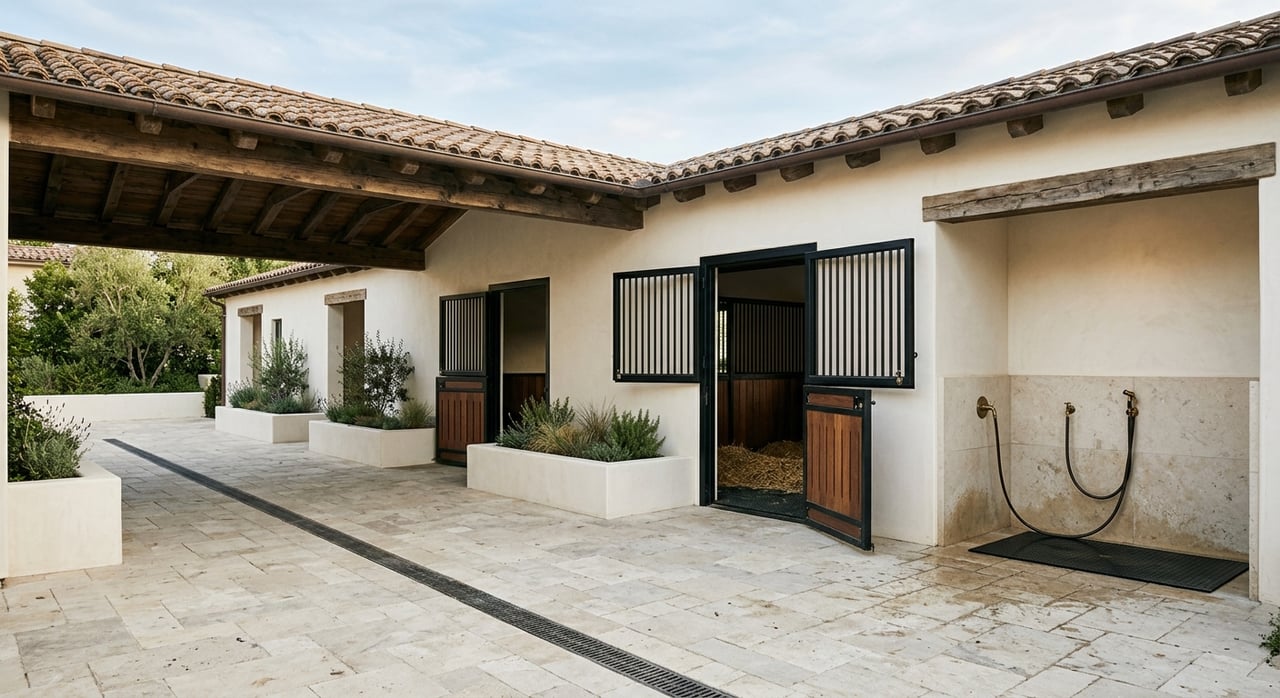
Your Guide to Agoura Hills Equestrian Properties
Wondering whether an equestrian property in Agoura Hills is as simple as finding a large lot with a barn? In reality, horse-property buying here is much more site-specific than many buyers expect. If you are considering a home with room for horses, trails, and a more rural lifestyle feel, it helps to understand the local rules, property features, and ownership demands before you move forward. Let’s dive in.
Agoura Hills has long appealed to buyers who want access to open space and a horse-friendly environment without giving up convenience. The city describes itself as a gateway to the Santa Monica Mountains National Recreation Area, and local trail connections extend into broader public trail systems.
That access matters if you are looking for a property that supports regular riding. The National Park Service says the recreation area offers more than 500 miles of trails, and the city is also advancing the Ladyface Greenway to expand walking, biking, and equestrian connections.
Agoura Hills also has practical equestrian infrastructure that supports the local lifestyle. The city lists an equestrian arena available for reservation, and Los Angeles County trail guidance identifies the Agoura Equestrian Center Connector as a link between Old Agoura Park and the Cheeseboro Canyon trail network.
One of the biggest mistakes buyers make is assuming that a large parcel automatically allows horse keeping. In Agoura Hills, that is not the case.
The city’s zoning framework, overlay rules, lot size, and site conditions all matter. The city zoning page makes clear that the zoning map identifies where uses are permitted, while the zoning ordinance regulates development standards.
That means you should verify the exact parcel rules before you rely on listing remarks or older marketing materials. Even if a property looks ideal for horses, the actual allowance for horse keeping may depend on the parcel’s zoning district, any overlay that applies, and the site’s physical setup.
In the RL Residential-Low Density district, the city code limits horses and other equines and cattle to eight adult animals per acre. The code also requires animals to be maintained safely so they do not create a nuisance.
Agoura Hills includes an EQ Equestrian Overlay District intended to preserve the area’s equestrian and rural atmosphere. For buyers, that can be important because an overlay may shape what is expected or required on a site.
According to the online zoning text, applicable projects may need a designated 1,500-square-foot horse-keeping area. That area may include a stall, paddock, hay and tack storage, plus access for feed delivery, manure management, and veterinary care.
This is one reason due diligence matters so much with equestrian homes. A parcel may offer charm and trail proximity, but the real question is whether the property layout supports lawful, practical horse keeping.
A horse property should work well on a daily basis, not just photograph well. UC ANR’s small-acreage horse guidance highlights several core features buyers should expect to evaluate.
Look for basics such as:
These details shape both convenience and long-term upkeep. Horses can live 25 to 30 years, and routine care may include a veterinarian with horse expertise as well as hoof care from a farrier.
If you are comparing properties, it helps to think beyond the home itself. A beautiful residence with weak site planning for horses may create more work, more cost, and more permitting questions later.
In Agoura Hills, zoning, permits, and inspections are the heart of equestrian-property due diligence. If you are considering future improvements, this step is especially important.
The Planning Commission handles conditional use permits, land subdivisions, variances, and zoning-related recommendations. That is a strong reminder that you should confirm parcel-specific rules before assuming future barn work, expanded facilities, or other changes will be allowed.
The city also states that building-and-safety staff take permit applications. Its inspections process applies to new construction, additions, remodels, and electrical, mechanical, and plumbing work at key stages.
For equestrian buyers, that can affect improvements such as:
In short, a barn or corral is not automatically approved just because similar improvements exist nearby. Structural work, grading, and utility changes may still require city review, permits, and inspections.
With horse properties, small assumptions can become expensive. A seller’s description, an old flyer, or a past setup does not replace current city guidance.
Agoura Hills updates its municipal code quarterly, which means older printouts may not reflect the current rules. The city’s Community Development contacts list the planner and building official as appropriate starting points for parcel-specific questions.
This is one area where careful representation can make a real difference. Before you commit, you want a clear picture of what the property supports today and what may be possible in the future.
Many buyers are drawn to Agoura Hills because of its riding access, but trail proximity does not guarantee unrestricted use. Public trail rules, easements, and agency plans still control access and use.
The county trail guide for the Agoura Equestrian Center Connector is a good example of why details matter. It connects equestrian-friendly parking at Old Agoura Park to the Cheeseboro Canyon trail network, but actual access still depends on the public route, posted conditions, and trail rules.
Riders should also understand local trail etiquette and safety expectations. County guidance says equestrian users have the primary right-of-way when safe passage requires it, and riders are reminded to bring water for themselves and their animals.
The same trail guidance warns about hazards such as rattlesnakes. The National Park Service also states that off-trail use is prohibited in state parks, which reinforces that enjoying the trail system comes with clear boundaries.
Horse ownership is not only about buying the right parcel. It is also about managing the property well every day.
UC ANR and related water-quality guidance emphasize manure management, erosion control, drainage, and the difference between clean water and polluted runoff. In Agoura Hills, those issues are especially practical because the city participates in the Malibu Creek Watershed Management Program and must comply with stormwater-pollution rules.
That means manure storage and runoff control should be part of your buying review, not an afterthought after closing. A property that is easy to manage in dry weather may be much harder to manage during storms if drainage and storage areas are poorly planned.
In the local hills, wildfire planning is a major part of responsible ownership. This is true for many residential properties in the area, and it can be even more important when you have outbuildings, fencing, feed storage, and larger outdoor areas to maintain.
CAL FIRE states that 100 feet of defensible space is required by law. Agoura Hills also directs buyers to the current 2025 Fire Hazard Severity Zone viewer and notes that high and very high zones can trigger defensible-space, home-hardening, and AB 38 disclosure issues.
For buyers, that means wildfire due diligence should be practical and specific. You will want to understand the property’s fire-zone context, how the site is maintained, and whether the layout supports ongoing defensible-space work.
The best way to evaluate an Agoura Hills equestrian property is to look at it through several lenses at once. Location matters, but location alone is not enough.
A smart review should consider:
When these pieces line up, an equestrian property can offer a rare combination of lifestyle, function, and long-term enjoyment. When they do not, even a beautiful property can come with complications that are easy to miss during an initial showing.
If you are exploring equestrian homes in Agoura Hills, a careful, property-by-property evaluation will help you make a more confident decision. For tailored guidance on luxury and lifestyle properties in Agoura Hills and the surrounding West Valley, schedule a private consultation with Larry Calemine.

With more than 20 years of experience in the greater Los Angeles Real Estate market, Larry Calemine has the experience and vision necessary to ensure the successful completion of your next Real Estate transaction. Larry’s vast knowledge of the current market and strong negotiation skills will assure anyone the best possible experience.